
Open-source Claude Design alternative.
Open Design is the open-source, local-first alternative to Claude Design. Same use case — prompt to design artifact — different posture: BYOK with the agent you already use, keep your brand as a portable DESIGN.md file, and ship artifacts as files in your project.
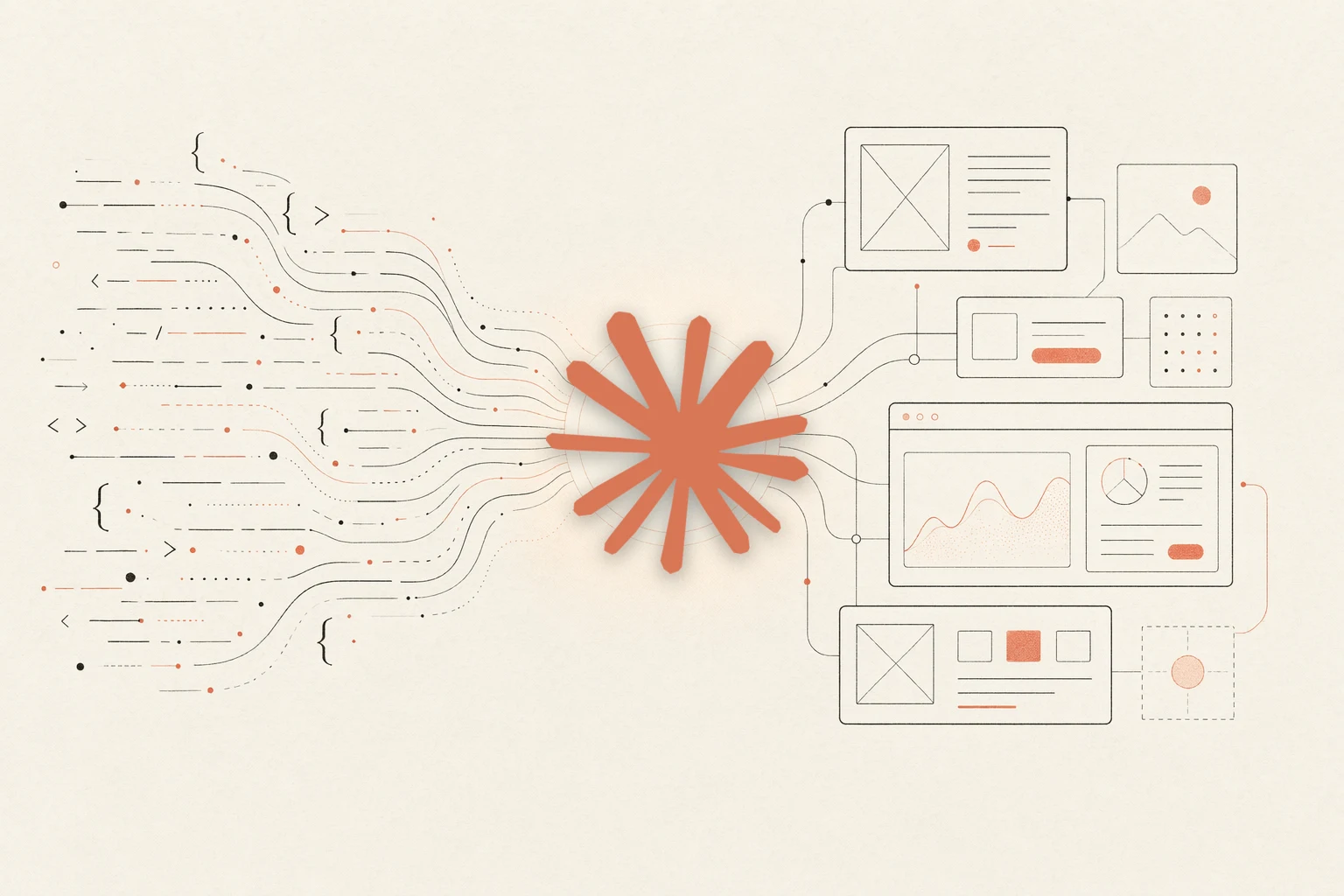
Open Design is the open-source, local-first design layer around the coding agent you already use — your key, your files, a curated skill and design-system library.
Claude Design is a hosted, vendor-managed product for prompt-to-design work. Open Design is a self-evolving design agent for Claude Code and other coding agents — local-first, BYOK, Apache-2.0 — that keeps your skills and a portable brand as files in your own repo.
This is an honest comparison: why teams look for an alternative, how local-first + BYOK changes the economics, a feature-by-feature table, who should pick which, and how to move a design across. It is candid about where a hosted product is more convenient.
What Claude Design is
Claude Design is a hosted, vendor-managed product for turning prompts into design artifacts, tied to a single vendor’s cloud and agent. It is convenient: zero local setup, one bill, a hosted UI.
Open Design is a different posture: a local-first, open-source design agent you point your own coding agent at — overlapping on the prompt-to-design-artifact job, not on being a hosted product.
- Vendor: hosted SaaS, single-vendor agent
- Pricing: bundled into a vendor subscription
- Primary output: vendor-hosted documents
Why teams look for a Claude Design alternative
These reasons keep showing up in support threads, GitHub discussions, and Discord:
- Data ownership: Designs should live as files in a repo, not documents in a vendor DB.
- BYOK economics: Bring your own provider key so API spend bills to your account instead of a bundled subscription.
- Agent choice: Drive design from the agent you already use for code — Claude Code, Codex, Cursor, and more.
- Self-host / fork: Apache-2.0, full source, rebrandable for your studio or company.
Local-first + BYOK, explained
Open Design runs a desktop app, a local daemon, and Markdown skill/system catalogs on your machine. No design output is forced through a vendor cloud, and your brand lives in your repo as a portable DESIGN.md file every skill respects.
You bring your own agent key. Credentials stay in local config or environment variables — Open Design never proxies them — and the API spend bills directly to you.
Open Design vs Claude Design, feature by feature
| Feature | Open Design | Claude Design |
|---|---|---|
| License | Apache-2.0, full source on GitHub | Closed-source, hosted product |
| Runtime | Local daemon on your machine | Vendor cloud |
| Agent | BYOK: Claude Code, Codex, Cursor, Gemini, OpenCode, Qwen | Vendor-managed agent |
| API spend | Bills to your account | Bundled into vendor subscription |
| Design system | Portable DESIGN.md in your repo | Stored in vendor DB |
| Skills | Composable SKILL.md you can fork | Built-in templates |
| Self-host | Yes, run anywhere Node 24 runs | No |
| Artifact ownership | Files in your project directory | Vendor-hosted documents |
| CLI / CI | Yes via od CLI + HTTP daemon | Web UI only |
Where Claude Design wins: zero local setup, one vendor bill, and a hosted UI. If that convenience is the priority, a hosted product is hard to beat — Open Design trades it for ownership, BYOK, and open source.
Who should pick which
Pick Claude Design if:
- You want zero local setup and one vendor bill.
- You are already deep in a Claude-first hosted workflow.
- Your team prefers a hosted UI over Markdown files.
Pick Open Design if:
- You want design artifacts as version-controlled files.
- You want BYOK with your existing coding agent.
- You want to fork, rebrand, embed in CLI, or self-host.
- You want one DESIGN.md per brand that every skill respects.
Moving a design from Claude Design into Open Design
There is no automatic import from Claude Design today; use a one-time brand-extraction run.
- Install Open Design from the quickstart.
- Open the web UI and point your agent at a Claude Design artifact you like.
- Ask the agent to extract the brand into a DESIGN.md file.
- Pick a skill and render it against your new brand.
From then on, every skill renders in your brand without re-prompting — and the files stay in your repo.
FAQ
-
01 Is Open Design really a drop-in alternative to Claude Design?
Not literally, but they overlap on prompt-to-design-artifact use cases.
-
02 Can I use Claude as my agent in Open Design?
Yes. Open Design supports Claude Code and Anthropic API BYOK flows; credentials are never proxied through us.
-
03 What happens to my Claude Design designs?
You can keep using Claude Design alongside Open Design; migration is manual today.
-
04 Does Open Design generate the same artifact types?
Yes for common types: landing pages, decks, dashboards, social posts, brand systems, and prototypes.
-
05 Is Open Design really open source?
Yes. It lives at github.com/nexu-io/open-design under Apache-2.0 and is self-hostable.
-
06 Is Open Design affiliated with Anthropic or Claude?
No. Open Design is an independent, open-source project. Claude is a trademark of Anthropic; this is an unaffiliated comparison.
Switch in three commands.
Star the repo, grab the desktop build, or run the install in your terminal. Your DESIGN.md system stays in your repo from the first render onward.